


But how about doing more than making entrepreneurship a side hustle and making it your main hustle? Buying a small business is a smart way to get a head start and tap into an existing market. Here’s how to source potentially profitable business opportunities.
The best ways to find genuine small businesses for sale
Buying an existing business is often preferable to starting from scratch because you’ve already got proof of concept and an existing set of customers. After all, the survival rate for startups is poor, with startups making up 46% of company insolvencies in 2024.
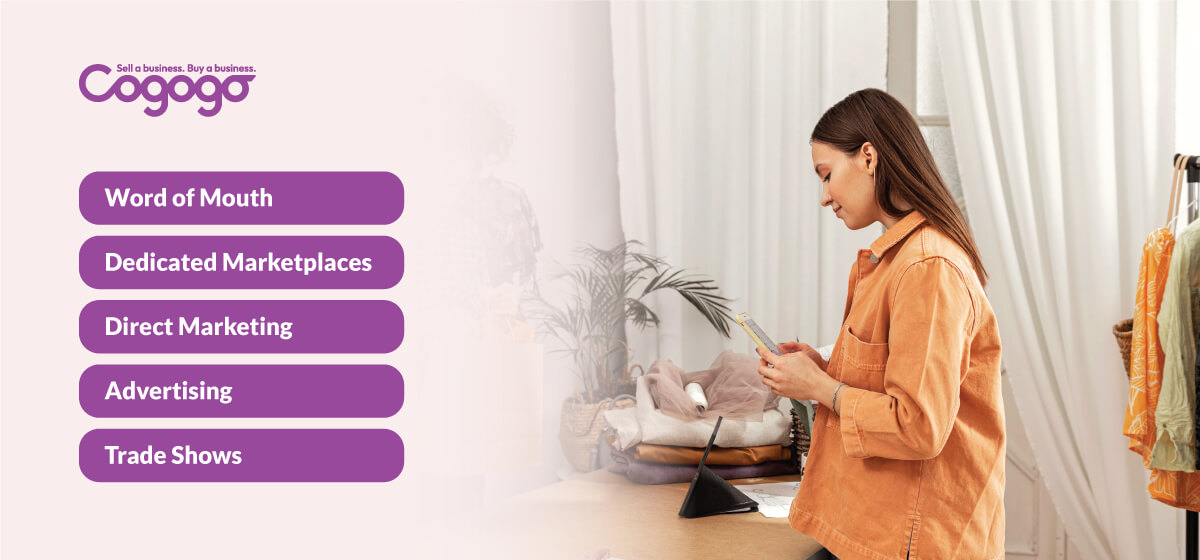
Of course, there’s no doubt that actually finding genuine small business opportunities is easier said than done. With that in mind, here are the most common channels to explore for sourcing small businesses for sale:
- Word of Mouth – Your first step is your own private network. It doesn’t even have to be just business contacts. It could also be friends and family members. Don’t discount who might know someone who’s looking to sell a business.
- Dedicated Marketplaces – There are UK marketplaces dedicated to listing small businesses for sale, but there aren’t as many as, say, buying real estate. CoGoGo is one such platform for finding current listings in your area.
- Direct Marketing – Just because a business owner isn’t actively looking for a buyer doesn’t mean they don’t want to sell. Select your niche and approach firms you might be interested in, explaining who you are and why you’re interested.
- Advertising – If you’ve got a marketing budget, you may want to consider advertising at the local level. This could include social media ads or offline marketing strategies, such as newspaper listings.
- Trade Shows – Find out about the next trade show related to your niche and connect with business owners there. Let them know you’re interested in buying a firm within the sector, and you may find someone who’s looking to sell.
Many of these options are time-intensive, and there’s no denying you’ll be dealing with a lot of opportunities that seem too good to be true. But there’s an alternative to these options: using a business broker.
How brokers can access more small businesses for sale

The truth is that countless businesses are sold before they reach the market. It’s not because there’s a secret network everyone has access to apart from you. Many businesses are actually sold exclusively through specialised business brokers.
Most listings you see publicly are likely listed on countless platforms. The difference with brokers is that they often keep what are known as “pocket” listings. These are private listings that a broker will only share with their clients.
They’re often more reliable because they’ve been fully vetted before being shown to clients. Plus, brokers already have an existing relationship with these business owners, helping them match up with serious buyers.
There are also other advantages to using a broker, including access to professional advice and support throughout the buying process. So, if you’re new to buying businesses, this could be the way to go.
Seek Support Whilst Buying a Business
The starting process of buying a small business
What does buying a small business actually look like on the ground?
It’s an in-depth process that can take months to complete due to the extensive due diligence involved. The number one piece of advice is not to scrimp on both professional advice and the depth of your due diligence. Not doing the proper checks is how you end up with a bad deal.
Before you ever start looking for businesses, define what an ideal buying opportunity looks like to you, including:
- Industry
- Location
- Personal readiness
- Financial capacity
Once you’ve sourced a small business that you might be interested in, you’ll reach out to the seller, often via a broker, and outline your intentions. Usually, you’ll sign a Non-Disclosure Agreement (NDA) at this point before receiving detailed information about the business’s operations and finances.
As part of the initial stages of buying, you’ll have the chance to visit the business and learn about why the seller wants to sell in the first place. This is your chance to evaluate whether the company is right for you and whether you want to go any further.
If so, you’ll submit a provisional offer or Letter of Intent (LOI) detailing key terms and the purchase price. From this point onward, you’ll begin the due diligence phase, which is the more intensive part of the process and involves professionals from the business, legal, and financial sectors.
We strongly recommend you enlist the help of an experienced broker to provide professional guidance along the way.
How to keep up to date with businesses listed for sale
You might be thinking that you’re interested in buying a small business up for sale, but you’re either not ready now, or you can’t find something that inspires you. The UK is one of the most vibrant markets in the world, and opportunities are constantly popping up.
Staying up-to-date on businesses listed for sale doesn’t have to be a part-time job. Setting up a Google Alert for your chosen niche + “small business for sale” will get you regular pings for new listings. You can also subscribe to the various business marketplaces and get regular round-ups of companies on the open market.
Alternatively, you might decide to connect with a broker. They’ll ask you about your parameters and expectations, and they’ll get in touch with you when something comes up.
If you’re ready to start your search for a small business for sale, check out the latest listings on CoGoGo. We maintain an up-to-date database of companies in your area, making it easy for you to source the latest business listings across the UK. To learn more, contact CoGoGo now.


