

Key market trends for the convenience store sector
Let’s start with the headline figures. Firstly, is the convenience store sector still profitable? Yes, the industry remains resilient, but growth has been cut from previous years. According to one analysis, convenience store revenue is expected to grow at a rate of 0.8% in the five years through 2025-26 to £54.6 billion.
It’s not that the model is failing, but that corner shops are suffering much the same as all areas of the economy. The cost-of-living crisis caused by stubborn inflation and the increase in the minimum wage to £12.71 per hour has piled costs onto businesses, forcing price increases, which naturally reduces how much people spend.
But it’s not all bad news.
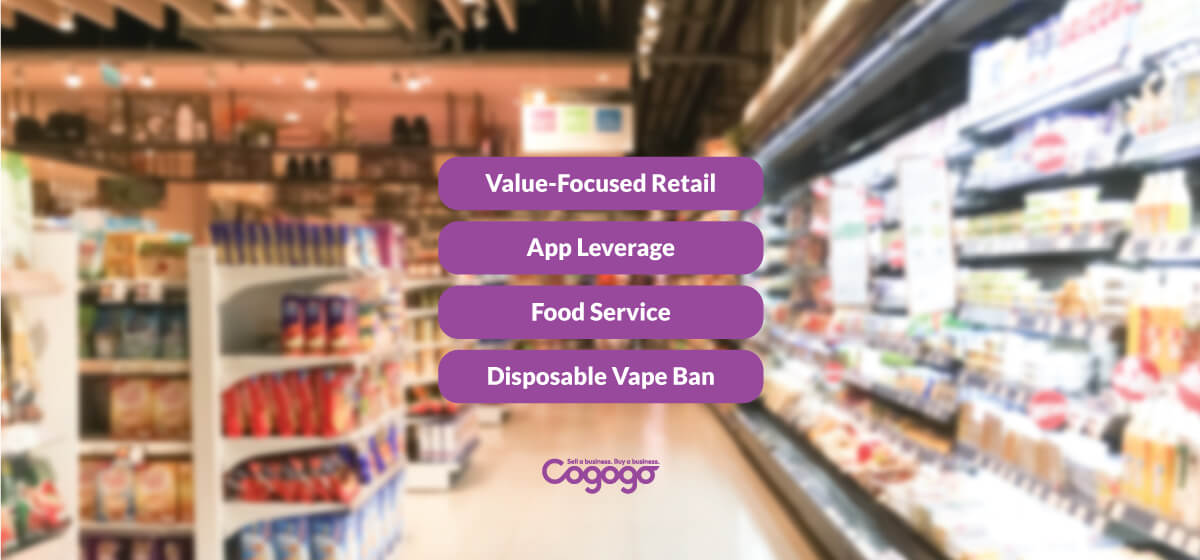
After a slowdown in 2024, corner shops are expected to grow consistently over the next few years, with 12% market growth between 2025 and 2029. The way people shop is also changing, with key trends in 2026 including:
- Value-Focused Retail – Food inflation is driving up costs, with convenience stores increasingly having to put more value-oriented products on the shelves to retain their customers.
- App Leverage – Supermarkets have led the way on tech adoption, but convenience stores are now doing the same. Apps for home delivery are helping to increase order volumes and reduce the risk of losing customers.
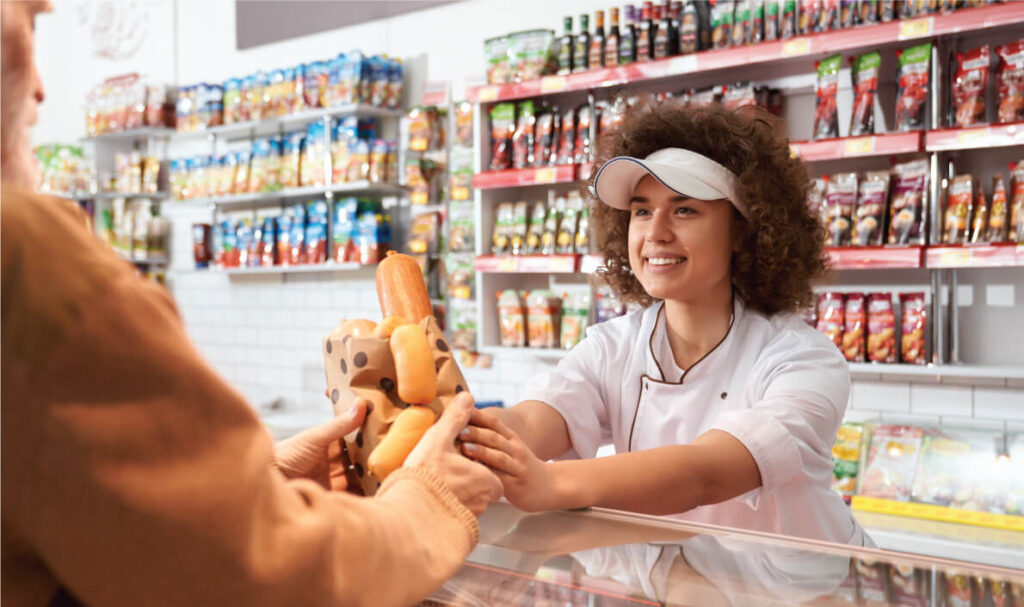
- Food Service – Corner shops have to do more to stand out. That’s why we’re seeing more stores invest in food services, such as deli counters, food-to-go options, and even meal kits, essentially turning them into hybrid service providers.
- Disposable Vape Ban – It’s worth mentioning that, as tobacco sales fall, retailers switched to products like disposable vapes. With these now banned, it has opened a new market for rechargeable and refillable options.
In short, there’s still a place for the independent convenience store in local areas. Around 71% of shops are run as independent stores, even as the big supermarkets ramp up their efforts to claim a piece of the sector.
Buy a Convenience Store
Convenience store market predictions for 2026
With these trends in mind, what can we expect from the market in 2026?
Value is almost certain to remain the theme of the year, as food inflation settling towards the end of 2025 has proven to be a false dawn. In January 2026, food inflation reached 3.9% year-on-year, indicating that costs are expected to continue rising, forcing consumers to be more selective about what they buy.
With shoppers remaining highly price-conscious, retailers expect most to continue cutting back on spending. However, that doesn’t mean a fall in revenue is guaranteed. Expanding your offerings to provide additional services, such as food-to-go, is one way to offset losses in traditional retail. That’s why IGD still expects a 2.7% CAGR to 2030. Furthermore, they think convenience will continue to define the battle between major supermarket giants, like Sainsbury’s and Tesco.
Beyond offering the convenience store equivalent of fast food, it’s widely expected that the emphasis will also shift over to fresh food, meal ingredients, and healthier offerings. This is in part due to tobacco sales continuing to fall, but also because the end of disposable vapes means that we expect to see overall vape sales decline.
Finally, independent stores are responding to a trend that started in large supermarkets. The use of technology as part of the shopping experience continues to enable these smaller local staples to compete with their larger counterparts.
Integrating independent stores with delivery apps, including UberEats, is becoming more common. Likewise, we’re seeing some independent stores launch loyalty apps to encourage customer retention by rewarding visits.
What do aspiring retailers need to know about in 2026?
Whether you’re moving into retail in 2026 (in which case, consider the hidden startup costs of a convenience store) or you already own a thriving corner shop, now is the time to consider how you’ll meet the challenges this year has to offer. So, where should you be focusing?
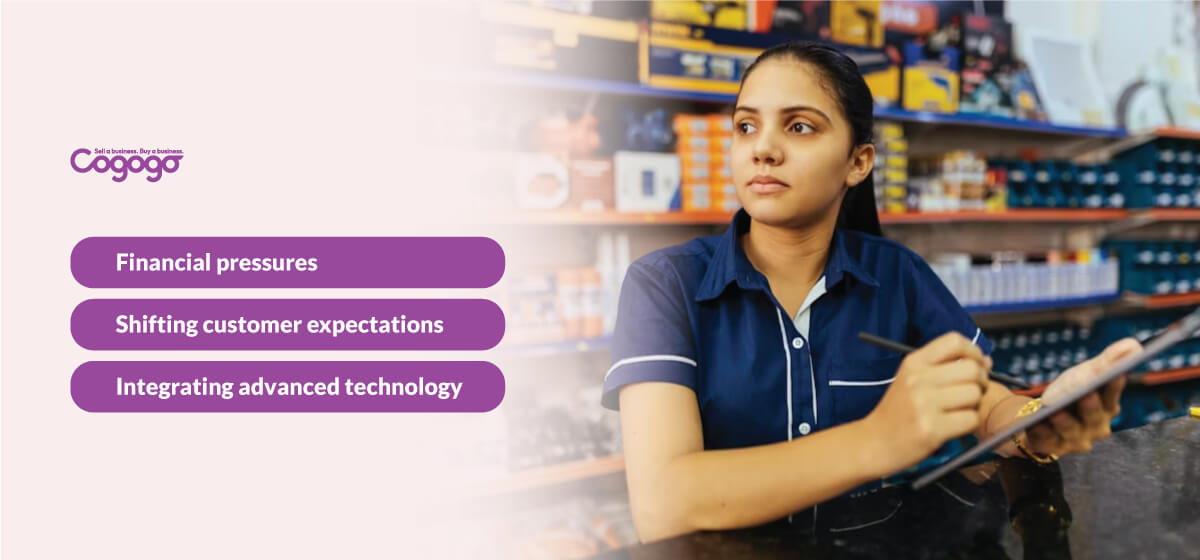
Financial pressures
The first sticking point most retailers are worried about is how hikes to the national minimum wage and national insurance will impact them. Beyond general food inflation, these are the two major costs that will put pressure on your margins. Aside from that, if your store earns over £50,000, you’ll also need to put in place systems for MTD for Income Tax, which becomes mandatory from April.
Shifting customer expectations
It’s no secret that more of us are concerned about making healthier choices. It’s why supermarkets have all invested in healthier products over the past few years. Key to the corner shop model, though, is keeping the convenience of being healthy. That means a focus on items that can be immediately consumed.
More and more customers are also thinking about how their purchasing choices impact the environment. Although less pronounced in the average corner shop, it’s worth considering issues such as packaging waste and eco-friendly products to give yourself a unique selling point, especially if your area skews younger.
Integrating advanced technology
Advancements in technologies such as artificial intelligence (AI) present opportunities for ambitious retailers in 2026. The power of AI-driven tools for functions like inventory management, shopping personalisation, and security can transform your business and give you an immense edge over the competition.
Businesses with the funds to invest in changing their back-end systems to improve the front-end experience will reap dividends not just in 2026 but in the years ahead.
In short, the British convenience store market may have run into some headwinds over the last few years, but analysts agree that it’s still expected to remain profitable.
If this has convinced you to start your own business, check out CoGoGo’s small businesses for sale or off licences for sale to find your next entrepreneurial opportunity today.


