


But what if you’re already an entrepreneur and you’re looking at selling your existing company to start a new venture? If this is your first time, you might be wondering where to start. Let’s go through what preparing a small business for sale looks like, and what you’ve got to bear in mind.
How preparing a small business differs from selling a larger one
Is 2026 the year you take a risk by selling your business and beginning a new chapter in your career?
Then, you’re in good company because nearly half of UK business owners said their risk appetite has increased this year. Selling any business comes with risk, which is why being well-prepared is essential for maximising your selling price.
The key area where selling a small business differs from a larger one is complexity. Small business owners aren’t worried about share prices, huge workforces, or untangling complicated business structures.
Nevertheless, don’t assume this makes the process a straightforward one.
Sell Your Small Business Today
What value does a smaller business offer a buyer?

Smaller businesses are remarkably attractive to buyers today. The UK offers one of the most thriving small-business markets in the world, not just because of the sheer number of small companies operating here.
Some of the core motivations for small business buyers include:
- Proven Model – Smaller businesses are established and have made it through the startup phase with a proven model and an established customer base.
- Agility – Operating a smaller firm makes it easier to pivot because you’re not dealing with multiple layers of management or trying to shift a behemoth around. This can mean faster adaptation and simplifies the process of taking advantage of new opportunities.
- Personal Connection – You have direct interaction with owners and senior staff that you wouldn’t have with a large multinational. This provides a solid foundation for building stronger, more intimate relationships.
- Less Bureaucracy – There are far fewer hurdles involved in buying or selling a smaller company. That also includes regulatory approvals, which bigger businesses usually have to negotiate.
- Greater Growth Potential – Explosive growth with the proper funding and ideas can result in a smaller company becoming an industry giant in short order. For investors with a strong risk appetite, smaller companies often make the most sense.
Emphasising these advantages as part of marketing your business for sale can help you sell it faster and for a higher price.
Preparing your small business for a sale
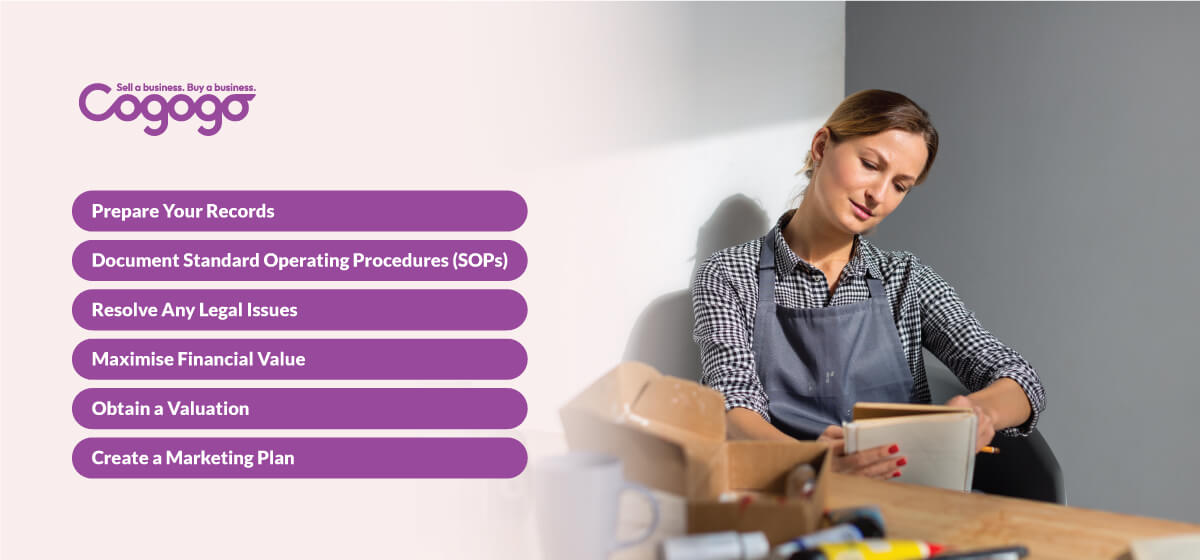
Selling a small business is much like selling a house. Getting the best price means preparing months in advance. Ideally, you’ll begin your exit planning process 12 to 18 months in advance of your planned sale. That gives you the time to clean up your operations, boost your financial performance, and seek the relevant expertise.
Here’s your step-by-step guide for mapping out this process:
- Prepare Your Records – Any prospective buyer will want to see three to five years of accounts, including balance sheets, profit and loss statements, and tax returns. These should be fully up to date and transparent.
- Document Standard Operating Procedures (SOPs) – Your SOPs are your map for how your organisation runs. The purpose of this isn’t just to show prospective owners how it works but to demonstrate that your company can operate without you, which is a massive valuation driver.
- Resolve Any Legal Issues – Deal with any ongoing issues before listing your business for sale so that the new owner can take over without any ongoing baggage. Review all your contracts, leases, and ongoing legal cases first.
- Maximise Financial Value – Define an aggressive plan for increasing your profitability and regular revenue that you can deploy for 12-18 months. You want your company in the best possible financial position before getting a valuation.
- Obtain a Valuation – Just before you plan on putting up your business for sale, consult an independent valuation expert to determine what the market value of your company is under current conditions.
- Create a Marketing Plan – Selling a business isn’t like selling a house, where you can list it on a well-known platform like Zoopla and upload a few pictures. Most business sales are private and involve exploiting multiple channels, including social media, private business networks, and business brokers. Define how you’ll maximise your exposure.
It’s also worth appointing a team of experts with experience in small business sales. These might include accountants, solicitors, and brokers. Trying to go it alone is rarely the best move.
On a side note, during the planning stage, consider whether you’re eligible for tax relief. For example, there’s the Business Asset Disposal Relief scheme, which could reduce your capital gains rate to 10%.
When should you tell your staff and customers?
Communication is key whenever there’s a likelihood of a change in ownership, but timing is everything. You want to be transparent, but you also don’t want to create unnecessary anxiety and risk disrupting your operations.
In both cases, the best time to communicate the sale of your business is straight after legal completion. If possible, you should bring in the new owner during the announcement to provide a smooth transition.
The benefit of waiting until the deal is signed, sealed, and delivered is that you control the narrative. Waiting lets you provide clear answers to any worries with confidence, such as over issues like jobs, wages, and business continuity.
The sole exceptions to this rule are senior staff, like your Chief Financial Officer (CFO) or head of your legal department. If you do this, ensure that they sign Non-Disclosure Agreements (NDAs) to protect the integrity of the deal.
With that in mind, if you’re looking to buy or sell a small business, contact Cogogo to speak to one of our experts today.


